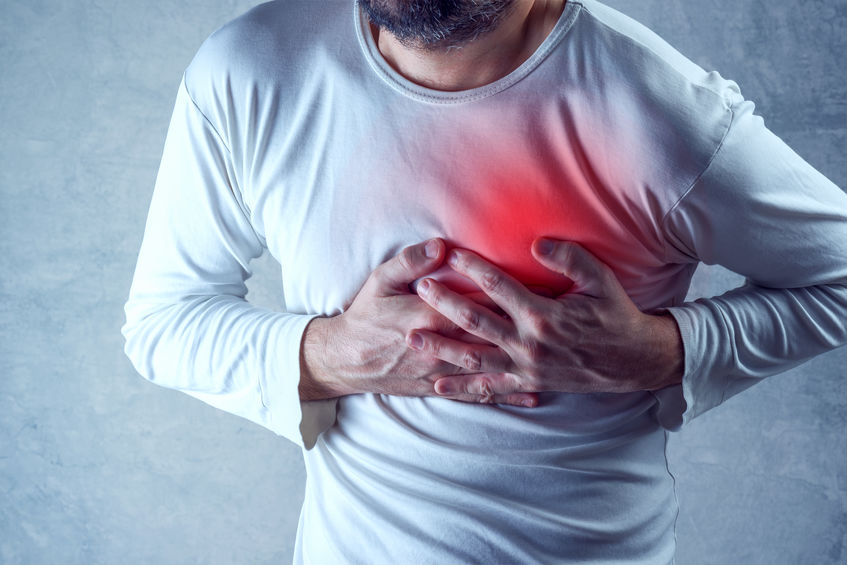
The Hollywood heart attack — sudden crushing chest pain, dramatic collapse — is real, but it’s not the only way heart disease shows up. The subtler presentations are responsible for a substantial fraction of missed diagnoses, especially in women.
This article covers the quieter signs that something cardiac may be going on. None of them is a diagnosis on its own — they’re reasons to have a conversation with your clinician.
Symptoms that often get dismissed
Unusual fatigue
Patients who later have a heart attack often describe weeks or months of being more tired than usual — particularly with activities they used to do without thinking. Climbing one flight of stairs leaves them needing a moment. They blame age, stress, or sleep. Sometimes that’s the right explanation. Sometimes the heart is the explanation.
Shortness of breath that’s new for you
Getting winded going up the same hill you’ve climbed for years is worth paying attention to, especially if it’s progressive over weeks. New shortness of breath when lying flat — needing extra pillows to sleep — is particularly concerning.
Pressure or discomfort that isn’t really pain
Many people with cardiac symptoms don’t describe “pain.” They describe pressure, heaviness, squeezing, or a feeling of “something not right” in the chest, jaw, neck, or upper back. Particularly during exertion. Particularly relieved by rest.
Indigestion that doesn’t fit your usual pattern
This one trips up patients and clinicians alike. Cardiac symptoms can present as upper abdominal discomfort that feels like indigestion. The clue is when it’s brought on by exertion or emotional stress, or when antacids don’t help in the usual way.
Lightheadedness or near-fainting with exertion
Feeling dizzy when standing up too quickly is usually benign. Feeling lightheaded during exertion — or worse, briefly losing consciousness — is not.
Why women are more often missed
Women are more likely than men to present with these atypical symptoms during a heart attack: extreme fatigue, jaw pain, back pain, nausea, lightheadedness. They’re also more likely to have their symptoms initially attributed to anxiety or musculoskeletal causes.
If you’re a woman and your gut is telling you something’s wrong, advocate. Ask specifically: “Could this be cardiac?” The conversation is worth having even if the answer is no.
Risk factors that should raise the index of suspicion
These symptoms warrant much more concern when they happen to someone with:
- Strong family history of early heart disease (under age 55 in men, under 65 in women)
- Diabetes or prediabetes
- High blood pressure or high cholesterol
- Smoking history (current or recent)
- Previous pregnancy with preeclampsia or gestational diabetes
- Autoimmune disease (rheumatoid arthritis, lupus)
- South Asian ancestry — substantially higher cardiovascular risk profile
What to do with vague symptoms
If you’ve had any of the symptoms above and they don’t fit your usual baseline, book an appointment. A reasonable first workup is straightforward: ECG, basic labs, and sometimes a stress test depending on the picture. Often the result is reassuring. Sometimes it changes the trajectory.
The patients we worry about most are the ones who waited months “to see if it would pass.” Don’t be that patient. Most of the time it’s nothing. The times it’s something, you want to catch it early.


